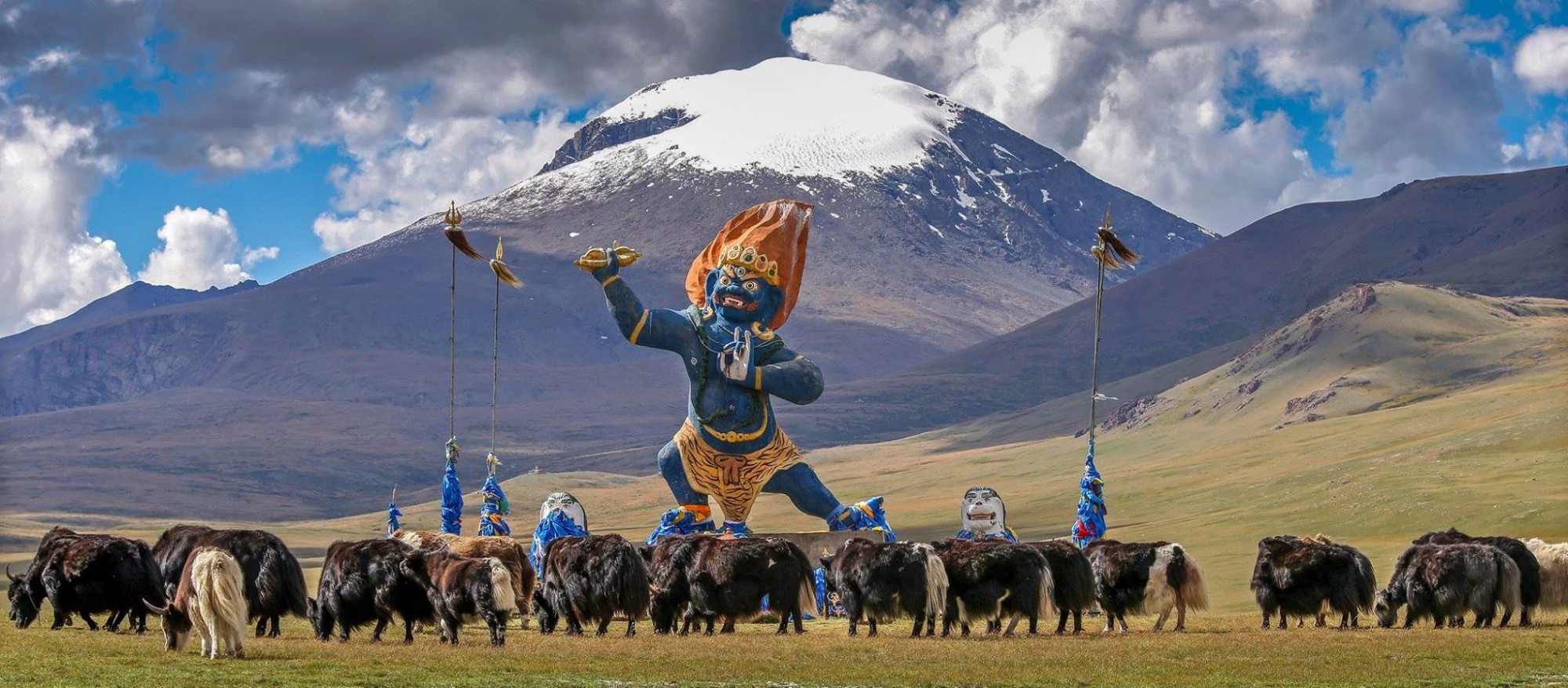
Uliastai · Zavkhan Province · Mongolia
Legacy Without
Borders
The Diluv Khutugtu Foundation is restoring a historic Soviet-era theater in Uliastai into a vibrant Cultural Creative and Community Exchange Center, preserving Mongolian heritage, empowering youth, and revitalizing community life for generations to come.
$2.6M
Total Project Investment
$700K
First Milestone Goal
1,800 m²
Theater Building
A culture survives not only in museums or memories, but in the daily life of its people. When communities are given places to gather, learn, create, and care for one another, cultural heritage becomes a living force for the future.
Telo Tulku Rinpoche
Founder, Diluv Khutugtu Foundation
The Need
A Generation and a Way of Life
at a Crossroads
Zavkhan Province is rich in cultural heritage and community tradition, yet many residents face limited access to educational, economic, and cultural opportunities. Young people increasingly leave rural communities in search of opportunity, while the spaces that once supported intergenerational learning and cultural exchange continue to diminish.
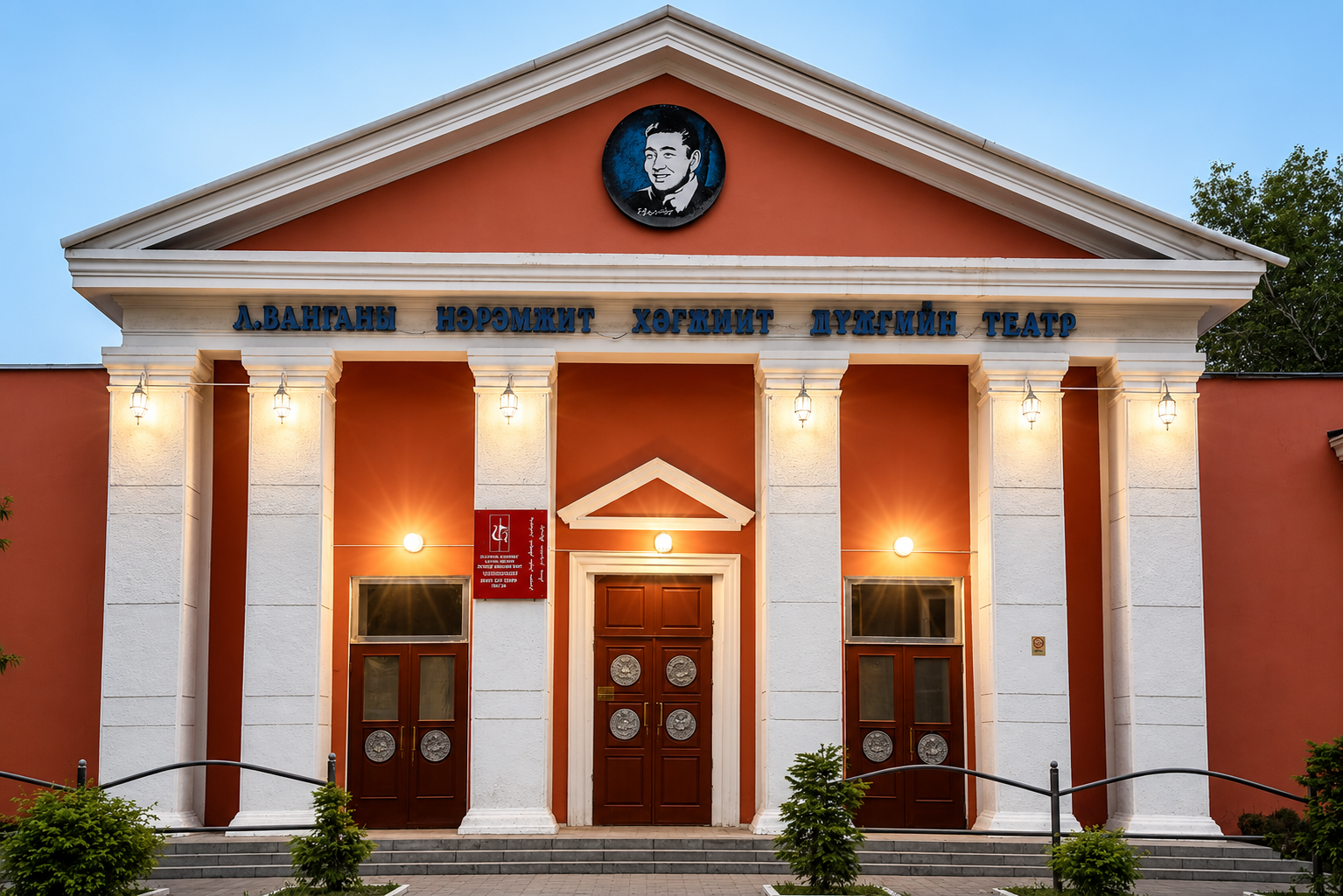
The Historic Theater, Uliastai
Growing Pressure, Enduring Strength
Young people increasingly seek education and meaningful employment, while nomadic and herding families continue to sustain livelihoods rooted in seasonal movement and intergenerational learning. Youth outmigration, limited rural infrastructure, and the gradual weakening of spaces for shared cultural knowledge put both ways of life under growing pressure.
Yet the region's greatest strengths remain intact: eager young people, nomadic communities preserving invaluable cultural and ecological knowledge, and elders carrying traditions forward. The challenge is not the absence of culture or community, but the need for places where knowledge, skills, and traditions can be actively practiced, shared, and passed forward.
1,200–1,800 m²
Former Soviet-Era Theater (13,000–19,000 sq ft)
Structural shell largely intact. Major renovation is required for heating, electrical, plumbing, accessibility, and interior finishes.
Located in rural Zavkhan Province, where labor costs are lower but transportation costs are higher.
Vision for the Uliastai Center
To address this need, Telo Tulku Rinpoche has envisioned the restoration of the former Soviet-era theater building as a Cultural Creative and Community Exchange Center. This place-rooted initiative connects:
Nomadic
&
Settled Ways of Life
Traditional Knowledge
&
Modern Skills
Cultural Continuity
&
Economic Opportunity
Perspectives on the Project
Why This Matters: In Their Own Words
The restoration of a cultural center in Uliastai is not simply a building project. It is an investment in the transmission of knowledge, identity, and community life.
Dr. Christopher Atwood
Presidential Distinguished Professor of East Asian Languages and Civilization, University of Pennsylvania
Restoring this historic building gives new life to a place that already belongs to the memory of the community. It allows the past to serve the future.
Governor Gombosuren G. Onorbayar
Local Community Leader, Uliastai, Zavkhan
Sometimes it feels like opportunities are far away from us. This center would bring opportunity closer to home.
Ganboldiin Damodhari
Young Student, Mongolian National University of Arts and Culture, Uliastai, Zavkhan
A Community Hub for Uliastai's Future
A Place That Connects
Drawing on lessons from Kalmykia's cultural revival and inspired by institutions such as the Norbulingka Institute, the center supports a living cultural system where learning, apprenticeship, creativity, and community participation are integrated into everyday life.
◆
Young People
Education, creativity, and practical skills development for the workforce and beyond.
◆
Nomadic Families
Flexible seasonal participation and engagement that respects their way of life.
◆
Elders
Meaningful roles in transmitting cultural knowledge, traditions, and life wisdom.
◆
The Community
A shared civic and cultural gathering space reactivated for all generations.
The project is being developed in collaboration with local stakeholders and government partners who recognize the center's potential to contribute to cultural vitality, community well-being, tourism, and regional development.
The Concept
A Place Where Heritage, Education,
and Community Life Flourish Together
The restoration plan transforms the historic theater into a multi-functional cultural creative and community exchange center, reopening its 500-seat performance hall alongside new education, wellness, and public spaces, all organized around four guiding design principles.
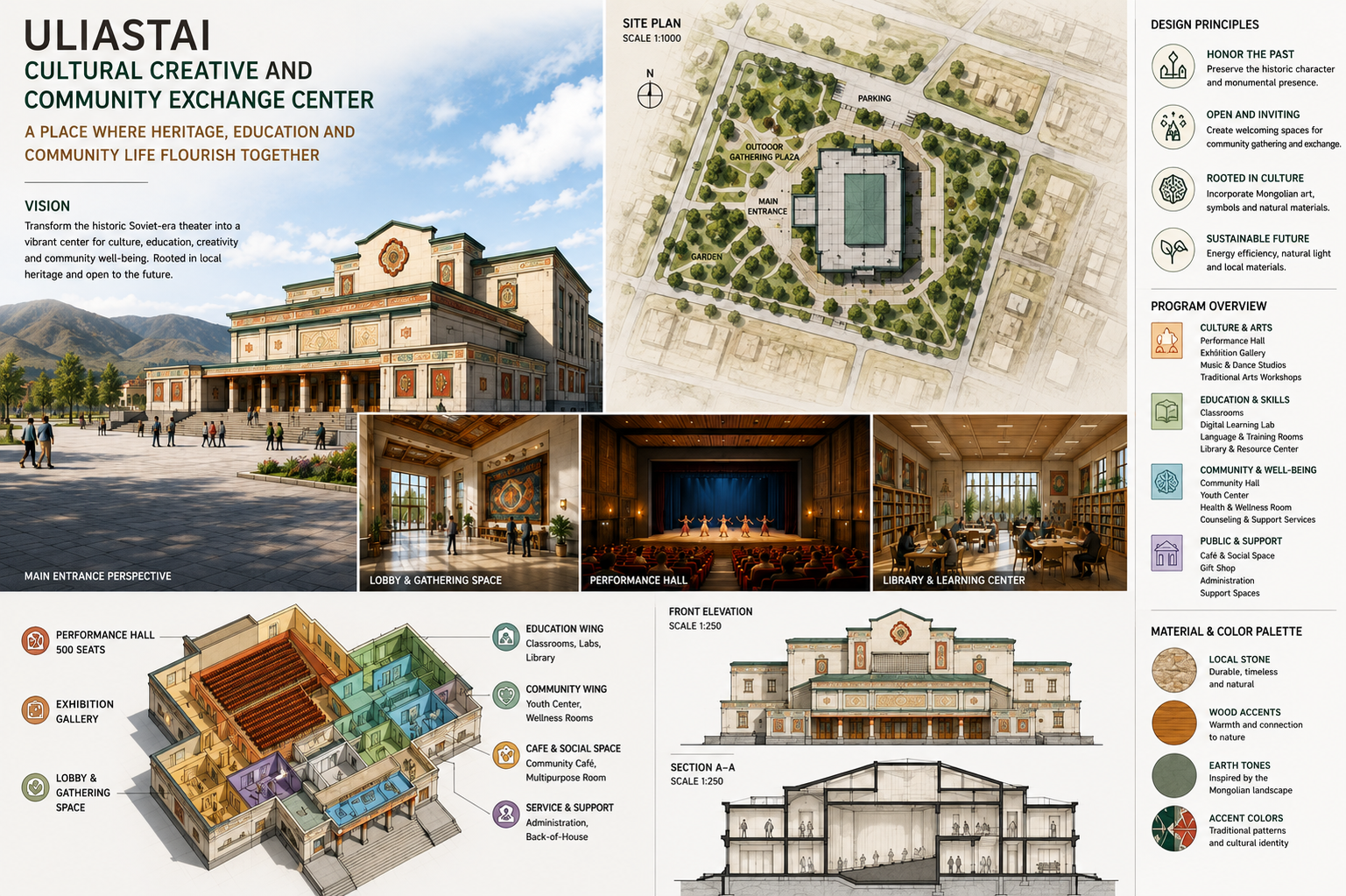
Honor the Past
Preserve the historic character and monumental presence of the Soviet-era theater building.
Open and Inviting
Create welcoming spaces for community gathering and exchange.
Rooted in Culture
Incorporate Mongolian art, symbols, and natural materials throughout the building.
Sustainable Future
Prioritize energy efficiency, natural light, and local materials.
Inside the Center
Culture & Arts
- –Performance Hall (500 seats)
- –Exhibition Gallery
- –Music & Dance Studios
- –Traditional Arts Workshops
Education & Skills
- –Classrooms
- –Digital Learning Lab
- –Language & Training Rooms
- –Library & Resource Center
Community & Well-Being
- –Community Hall
- –Youth Center
- –Health & Wellness Room
- –Counseling & Support Services
Public & Support
- –Café & Gift Shop
- –Administration
- –Support Spaces
Center Programs
Three Integrated
Program Areas
The center's work is organized around three interconnected pillars, each designed to serve diverse community members, from nomadic herders and elders to young students and working-age adults.
Program Area 01
Public Education & Future Skills
Developing people of all ages through learning and apprenticeship
- →Cognitive-Based Compassion Training (CBCT) and mindfulness
- →Tourism, guiding, and hospitality training with cultural interpretation
- →Digital literacy, AI awareness, and computer skills
- →English language training for global communication
- →Financial literacy and life skills development
- →Vocational apprenticeships in carpentry, crafts, culinary arts, and repair
Designed with flexibility for seasonal participation by nomadic families and youth.
Program Area 02
Health & Community Well-Being
Strengthening physical, mental, and social well-being across generations
- →Public health initiatives, including TB screening and prevention education
- →Mental health support through mindfulness and meditation practices
- →Inclusive programming for persons with disabilities
- →Family-focused health and safety education
- →Community resilience programs for rural and nomadic populations
Serving both settled and nomadic communities throughout Zavkhan Province.
Program Area 03
Cultural Heritage & Creative Economy
Supporting cultural continuity and pathways for creative livelihoods
- →Traditional arts training: Thangka painting, appliqué, and craft traditions
- →Artisan development in jewelry, sculpture, leatherwork, and metal arts
- →Youth cultural programming in storytelling, theater, and performance
- →Documentation of oral traditions from settled and nomadic communities
- →International exchange and cultural residency programs
Nomadic knowledge holders contribute to cultural transmission in ecological knowledge, oral history, and music.
Sustainable Operations
Built for Long-Term Community Participation
Long-term operations are designed to be supported through program fees, educational offerings, cultural exchange programs, and community-based service exchange, ensuring the center remains self-sustaining and accessible to all.
Cultural Exchange Students
May teach English in return for cultural immersion experiences
Traditional Arts Apprentices
Assist with visitor services and administration as part of training
Community Members
Contribute skills and participation to the life of the center
Impact Goals
Measurable Change
in the First Three Years
The center's impact goals have been developed with local partners and will be refined as program design develops, representing a realistic and ambitious vision for community transformation in Zavkhan Province.
300–500
Youth & Young Adults
Served through education, arts, digital literacy, language, and life-skills programs
50–100
Cultural Knowledge Holders
Elders, artisans, and teachers engaged in transmission and documentation activities
25–50
Nomadic Families
Supported through seasonal participation, family programs, and flexible learning access
10–20
Visiting Teachers & Artists
International practitioners hosted through exchange and residency programs
Cultural & Community Outcomes
Annual cultural events, exhibitions, performances, and community gatherings for the wider Uliastai and Zavkhan community
Documentation and preservation of oral traditions, ecological knowledge, and artistic practices
Strengthened intergenerational connections between elders and youth
Increased cultural tourism and international cultural exchange
Economic & Development Outcomes
Practical pathways for local employment, apprenticeship, and entrepreneurship
Skills training aligned with regional tourism and hospitality growth
Creative economy opportunities for artisans and cultural practitioners
Reduced youth outmigration through expanded local opportunity
Why This Matters Globally
Central Asian nomadic peoples helped shape the modern world as the "human internet" of the ancient Silk Road.
These communities preserved and transmitted Buddhism, artistic traditions, languages, music, oral epics, craftsmanship, and ecological knowledge across vast distances, not through monuments alone, but through movement, storytelling, and living practice.
Supporting a Mongolian project that protects nomadic heritage is an investment not only in one community, but in a priceless part of global history and human wisdom. Cultural diversity enriches humanity, preserving the many ways communities understand the world, express wisdom, and pass meaning from one generation to the next.
Budget & Timeline
Where the Investment Goes
These are preliminary planning estimates, pending local architectural, engineering, and contractor review. The total project investment of approximately $2.6M covers a one-time capital restoration and three years of program launch costs.
$1.78M
Capital Restoration (Phase I)
$798K
3-Year Program Launch (Phase II)
$2.6M
Total Project Investment
Capital Restoration Budget Breakdown
Building systems
Structural repairs, roof, windows, heating, electrical, plumbing, fire safety, accessibility, exterior restoration
$640,000
Interior renovation
Theater hall, classrooms/workshops, community spaces, offices, kitchen & café, exhibition areas, furnishings
$430,000
Technology
Computer lab, audio/visual equipment, internet infrastructure, translation & digital learning systems
$150,000
Artisan facilities
Thangka/appliqué studio, jewelry & metalworking, woodworking, textile & craft workshops, exhibition displays
$150,000
Professional fees & contingency
Architectural design, engineering, project management, permits, and 15% contingency
$405,000
Total Phase I
$1.78 million
Phase One: What the First $700K Will Accomplish
Rather than waiting for the full project budget to be raised, the initial $700,000 milestone focuses on stabilizing the building, restoring essential systems, and opening usable spaces for early programming, giving donors a concrete first step toward reopening a historic public building.
$175K–$225K
Building stabilization
Roof, envelope, and urgent structural work to protect the building from further deterioration
$250K–$325K
Essential systems
Heating, electrical, plumbing, sanitation, fire safety, and basic accessibility
$100K–$150K
Early-use spaces
Classrooms, community hall, and basic furnishings for flexible learning areas
$100K–$150K
Planning and oversight
Assessment, design, permitting, project management, and contingency
$50K–$75K
First programs
Pilot education, cultural, and community programming
Work Proposed in Stages
Stage 1
$600K – $800KBuilding Stabilization & Reopening
- –Roof
- –Heating
- –Electrical
- –Basic classrooms
- –Community hall
Stage 2
$500K – $700KCultural & Vocational Facilities
- –Artisan workshops
- –Computer lab
- –Gallery space
- –Theater restoration
Stage 3
$800K – $1MProgram Endowment & Launch
- –First 3 years of operations
- –Staffing
- –Program delivery
- –Sustainable earned revenue
The first campaign is targeting a $700,000 first milestone. This phased approach allows the center to begin operating and demonstrating impact while additional funding is raised.
0–6 Months
Readiness & Stabilization Planning
- Confirm building-use permissions and local approvals
- Complete architectural and engineering assessment
- Finalize Phase One work plan and donor reporting structure
6–18 Months
Building Stabilization & Early Reopening
- Complete priority roof, heating, electrical, plumbing, and safety work
- Prepare first classrooms, gathering spaces, and administrative areas
- Begin pilot education, cultural, and community programs
18–36 Months
Program Expansion & Cultural Facilities
- Develop artisan studios, digital learning spaces, and gallery areas
- Expand visiting teacher, youth, wellness, and cultural heritage programming
- Build earned-revenue activity, grant relationships, and annual donor support
How to Give
Join Us in Building
Something Lasting
Your support will help transform a historic public building into a lasting community resource where cultural traditions can be preserved, shared, and passed to future generations.
Download the Donor Prospectus (PDF)↓Naming Gifts
Create a lasting legacy by supporting a specific space or program at the center.
Explore Opportunities →Major Gifts
Fund restoration phases, educational programs, youth development, or cultural programming.
Contact Us →Corporate Sponsorship
Align your organization with workforce development, heritage preservation, and technology.
Partner With Us →Foundation Grants
Support cultural preservation, rural development, education, and sustainable community growth.
Learn More →Charitable Giving Structure
Mongolian Gifts
Direct gifts to the Diluv Khutugtu Foundation in Mongolia, where appropriate and legally permitted.
U.S. Tax-Deductible Gifts
American donors may give through our U.S. 501(c)(3) affiliate, the Mongolian Heritage Fund, for tax-deductible contributions.
Institutional & Foundation Gifts
Foundation grants and institutional partnerships for capital restoration, cultural preservation, education, and rural development.
U.S. charitable giving structure is under active development. Donors interested in tax-deductible gifts may request updates on fiscal sponsorship arrangements by contacting us directly.
Naming Opportunities
Naming opportunities are available for donors who wish to create a lasting legacy through support of the center. Gift levels will be confirmed once final architectural plans are complete.
Lead Building Gift
Restoration of the historic theater and public identity of the center
Performance & Gathering Hall
Performances, lectures, ceremonies, festivals, and community events
Community Learning Center
Language, digital literacy, financial literacy, and workforce development
Music & Arts Studios
Music, theater, visual arts, youth performance, and creative training
Traditional Arts & Artisan Workshops
Thangka painting, jewelry, metalwork, woodwork, textiles, and crafts
Cultural Heritage Gallery
Exhibitions, oral history, photography, sacred art, and cultural displays
Youth Leadership & Innovation Hub
Technology awareness, entrepreneurship, and community service
Wellness & Community Spaces
Mindfulness, resilience training, public health, and family programs
Visiting Teacher & Artist Fund
Cultural exchange, residencies, and visiting instructors
Scholarship & Access Fund
Participation support for youth, nomadic families, and those in need
Custom naming opportunities may be developed for specific programs, restoration phases, or endowment funds. Contact us to discuss.
Ready to Make a Difference?
We invite individuals, foundations, corporations, and community partners to join us in bringing this vision to life.
A Note on Donations
Online donations are processed through the Mongolian Heritage Fund, a U.S. registered 501(c)(3) nonprofit affiliated with the Diluv Khutugtu Foundation. This allows U.S. donors to make fully tax-deductible gifts. All funds contributed are directed to the Cultural Center project in Uliastai.
Processed securely via dhf.mn · Tax-deductible in the U.S. through the Mongolian Heritage Fund 501(c)(3)
Contact
Let's Build This
Together
Whether you're interested in making a gift, exploring a partnership, or simply learning more about the project, we'd love to hear from you. Our team is available to discuss how you can be part of this historic initiative.
Phone
+976 7507 7222 (Office)
+976 9900 8432 (Mobile)
Project Location
Uliastai, Zavkhan Province
Mongolia